Can You Build a Mobile App for Free? What You Can Actually Do Before Paying
You can start building without paying, but a free prototype, a running app and a store release have different costs. Here is how to plan a useful free first version.
Can you build a mobile app for free?
Yes, you can plan an app, create a first version and test supported behavior using free tools or a builder's free allowance. That does not mean every stage stays free. Source export, installed builds, hosting, AI usage and store distribution can have separate requirements. In RNBlocks, you can start with free promotional credits; paid plans include additional tools and allowances. Choose a free first milestone you can actually finish rather than assuming a free preview includes a public store release.
Decide what free needs to accomplish
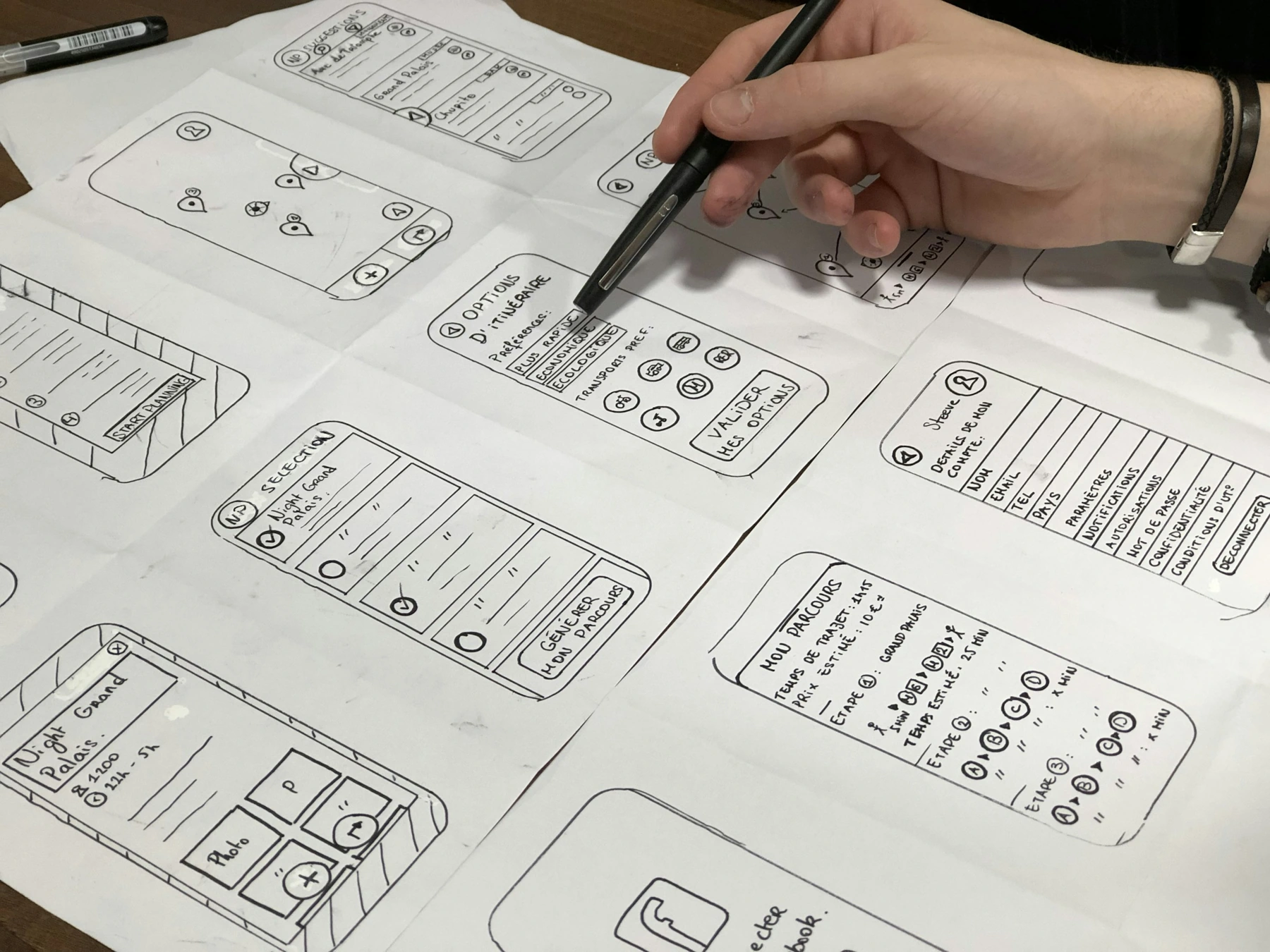
A useful first milestone is one person completing one task. For a reading log, that could mean adding a book, recording progress and finding it again. You do not need payments, recommendations and a public community to learn whether that task makes sense.
Write what the first version should do and what it deliberately leaves out. This protects a limited allowance from being spent on unrelated generation and redesign. It also makes the result easier to check.
Four different things people call a free app
| Result | What it tells you |
|---|---|
| A design | The screens and layout are understandable |
| A tappable prototype | People can follow the intended journey |
| A working preview | Supported app behavior runs in a development environment |
| A released app | People can install the approved version through the chosen distribution route |
These stages can overlap, but they are not interchangeable. A beautiful design does not establish that records save. A working preview does not establish that the project has its own signed binary.
Use realistic sample data first
Add a few believable books and progress entries. Include a long title, an empty list and one record you can edit. This gives you useful layout and interaction checks without importing private information or connecting several services immediately.
Sample data should remain recognizable as sample data. Do not treat a hardcoded confirmation as proof that an action saved. After the first layout works, decide where the real records belong.
If local saving is enough for the experiment, state that clearly. If you promise the same history on another phone, the app needs account-linked storage and retrieval. A login screen alone does not add that behavior.
Spend limited AI work on clear requests
A focused request names the screen, problem and expected result. 'Keep the reading list. Make progress editable from book details and preserve it after reopening' is easier to evaluate than 'make the whole app better.'
Inspect the result before asking for more. Repeating an interrupted request without checking the current app can create avoidable work. If something fails, report the steps and visible outcome rather than regenerating everything.
A free allowance is best used to learn whether the workflow fits you and whether the task can become useful. It is not a reliable basis for promising that any idea, regardless of size, can be completed at no cost.
Identify the first real cost boundary
The boundary depends on your project and provider. You might need a paid builder plan to export source or produce an installable app. A backend may have a free usage allowance but require a billing-enabled plan for particular services. AI generation inside the finished app can create ongoing charges.
Write these items separately. That lets you choose what to postpone without confusing a builder subscription with the cost of running the product.
Store distribution adds its own enrollment and account requirements. Apple's standard Developer Program membership and Google's Play Console registration are separate from RNBlocks. Regional pricing, eligibility and other terms can affect the actual checkout.
Test before buying more scope
Use the supported preview to finish the reading-log task. Close and reopen it. Check whether the information survives as promised. Then show the task to someone unfamiliar with the interface.
Ask where they hesitated and what they expected. Their behavior may show that the next useful change is a clearer label rather than another integration. A small successful task gives you a better reason to invest than a long list of generated screens.
What should you check in a free plan?
Check whether the allowance is one-time or recurring, what consumes it and which tools require payment. Check export, device testing, sharing and commercial-use conditions rather than assuming the word free answers every question.
Also check the accounts you control. If you connect a provider, understand its billing and avoid leaving broad credentials in client code. A free prototype should not create an unexpected bill because a secret was exposed.
Can a free prototype attract useful feedback?
Yes. A narrow prototype can answer whether people understand and need the task. It cannot prove willingness to pay merely because someone liked the design. Use the result for the question the experiment actually tests.
Can I publish to both stores for free?
Do not assume so. Developer accounts, signed builds and service requirements are separate from a free starting allowance. Plan the intended store route and its actual costs before announcing a public launch.
Is upgrading a sign that the free version failed?
No. A useful free test can establish that the workflow fits and show what the next stage requires. Upgrade because a specific next milestone needs it, rather than because the first version grew into an undefined collection of features.
Start free in RNBlocks
Describe one mobile task in RNBlocks and use the free starting allowance to build and refine it. When you need the paid tools, compare Pro and Studio against the work ahead. Our agent can help you continue from the first journey toward connected features and release preparation, with costs and requirements kept clear.
Ready to build?
Build, connect and publish iOS and Android apps with AI.